Wild Safari: Bringing Playful Energy to Your Design Projects
When you need a typeface that immediately captures attention and radiates fun, a standard corporate font often falls flat. This is where a premium font like Wild Safari enters the conversation. It is not just a collection of letters; it is a creative font designed to inject personality into your work instantly. As a display font, its primary job is to stop the scroll and hold the viewer's gaze, making it a powerful tool in your design assets library.
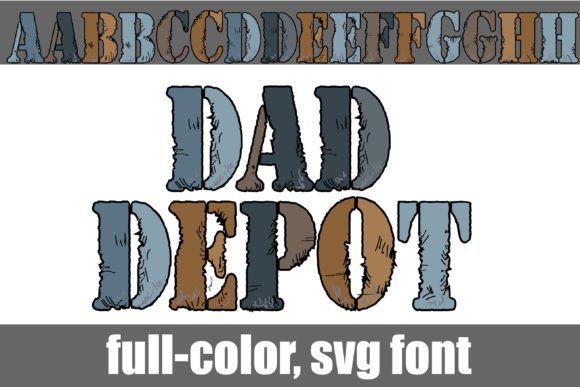
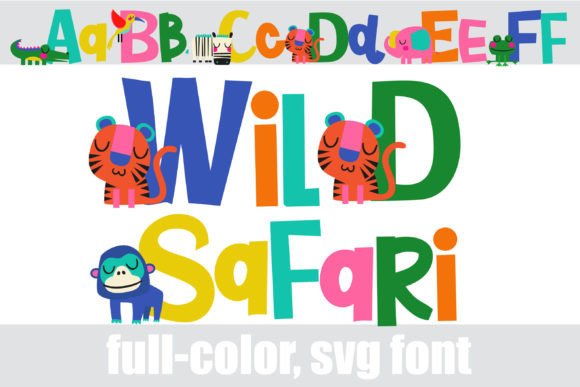
The defining feature of Wild Safari is its status as an OpenType full-color (SVG) font. Unlike a traditional sans serif font that relies on solid black strokes, Wild Safari incorporates color directly into the letterforms. The uppercase characters are adorned with fun, stylized wild animal prints and patterns, offering a vibrant aesthetic that standard typefaces cannot replicate. This modern approach to modern typography allows you to bypass the manual process of clipping masks and texture overlays. You simply type, and the color and pattern are applied automatically.
However, working with a color font requires a specific understanding of file compatibility. It is crucial to remember that these are installed like normal .OTF files—via FontBook on Mac or the Control Panel on Windows—but they behave differently in various software environments. Programs like Adobe Photoshop, Illustrator, Silhouette Studio, Quark, and Inkscape currently support full-color SVG fonts. In these environments, you will see the vibrant patterns immediately upon typing. If you are using software that does not support SVG technology, the font will default to a solid black silhouette. This is not an error with the file; it is simply a limitation of the program’s rendering engine. Always preview your text on the actual canvas rather than relying solely on the font selection dropdown menu, as many programs show a black preview even if they support color rendering on the canvas.
Strategic Applications for Branding and Marketing
Wild Safari is particularly effective for projects targeting children, families, or brands that want to project a sense of adventure and playfulness. In brand identity, a logo design using this typeface immediately signals that a business is approachable and energetic. Think of a children’s boutique, a pet grooming service, or a jungle-themed birthday party planner. Using this font for the logo lockup ensures the brand is memorable and distinct from competitors using overused geometric sans serifs.
In the realm of packaging design, shelf appeal is everything. A product label for organic snacks, animal crackers, or craft supplies can benefit immensely from the visual texture of Wild Safari. It eliminates the need for complex background illustrations, allowing the typography itself to serve as the focal point. This simplifies the layout process while maximizing visual impact—a practical advantage for busy designers and small business owners managing their own product launches.
Digital and Editorial Uses
For web design and social media graphics, attention spans are short. Wild Safari excels as a hero text element on a landing page or as a bold headline for a blog post about travel, zoology, or family activities. Because it is a display font, it is best reserved for short bursts of text—headlines, titles, and callouts. Using it for body copy would likely result in poor readability, but for a 5-word headline, it is unbeatable.
Content creators and bloggers can use this typeface to create cohesive editorial design elements. Imagine a digital magazine cover or a Pinterest pin where the title needs to pop against a busy photo. The animal patterns in the letters provide enough visual weight to stand out without requiring a solid color block behind the text. Furthermore, the font includes alternate cases with additional colors accessible through your system or the Silhouette glyph map. This feature allows you to customize the palette to match specific brand guidelines, offering flexibility that static images do not.
Practical Guidance for Designers and Crafters
Integrating Wild Safari into your workflow requires a bit of strategy, particularly regarding font pairing. Because Wild Safari is highly decorative and textured, it pairs best with clean, neutral typefaces. A simple serif font or a geometric sans serif works well for body text, providing a visual rest for the eyes. Avoid pairing it with other script fonts or handwritten fonts, as this can create a cluttered, chaotic aesthetic that undermines the professionalism of the design.
For crafters using cutting machines like the Silhouette Cameo, Wild Safari is a standout choice. The distinct shapes of the animal prints make for interesting cut files if you are creating vinyl decals or heat transfers for apparel. However, because the design is intricate, ensure your material settings are calibrated for the level of detail. The visual hierarchy is naturally established by the font's size and color; larger text will emphasize the animal patterns, while smaller text might lose some of that detail.
When evaluating if this commercial font fits your project, consider the audience's perception. Does the brand need to look "established and traditional," or "fun and innovative"? Wild Safari leans heavily toward the latter. If you are designing for a law firm, this is the wrong choice. If you are designing for a kindergarten or a travel blog, it is a perfect fit.
Ultimately, Wild Safari is more than just a novelty; it is a functional design asset for the right context. By understanding its technical requirements—specifically the SVG format and software compatibility—you can leverage its full-color capabilities to create designs that are vibrant, engaging, and impossible to ignore. Whether for a one-off invitation or a comprehensive brand rollout, this typeface offers a distinct voice that speaks volumes with just a few keystrokes.